Why “The AI Biologist”?
The name has two meanings, and both are the point.
AI is becoming a biologist
AI now predicts how proteins fold, designs proteins evolution never made, reads more papers in an afternoon than we read in a career, and suggests which experiment to try next. It is fast and often impressive. It is also like a brilliant new lab member who has never been checked: it can be confidently wrong, and it won't tell you when it is guessing.
The biologist who works with AI
That is you: a scientist at the bench, the keyboard, or both, in a university or in industry. You don't need to become a machine-learning engineer. You need to know enough about how AI works to use it well, and enough biology to know when it is wrong. That combination is fast becoming one of the most valuable profiles in the life sciences.
Where the two meet: be the PI
Treat AI the way a principal investigator treats a gifted, untested trainee. You wouldn't publish a trainee's result without asking how it was done. Ask AI the same questions:
- What did it learn from? A model is no more reliable than its training data.
- How was it tested? A benchmark score means little until you know how the test set was kept apart.
- Does it work in your system? Models trained on common cell lines or proteins may not transfer to yours.
- What does the experiment say? The bench, and for patients the clinical trial, has the final word.
The name is personal, too. I have been both kinds of biologist: the one who generates the data, and the one who builds the systems that learn from it.
What you'll find here
Trust AI, with evidence
Articles and book drafts on how far to trust AI in biology, and how to check it.
Be the PI
How to manage AI agents the way a principal investigator runs a lab.
Tools and resources
Free tools for daily research work, plus hand-picked courses from universities and other providers.
The book
The AI Biologist, a practical guide for life scientists, written in public.
By Bo Huang: more than 10 years at the research bench, now building data and AI platforms for healthcare and life sciences.
Everything here is free: the articles, book drafts, tools, and newsletter.
Latest articles
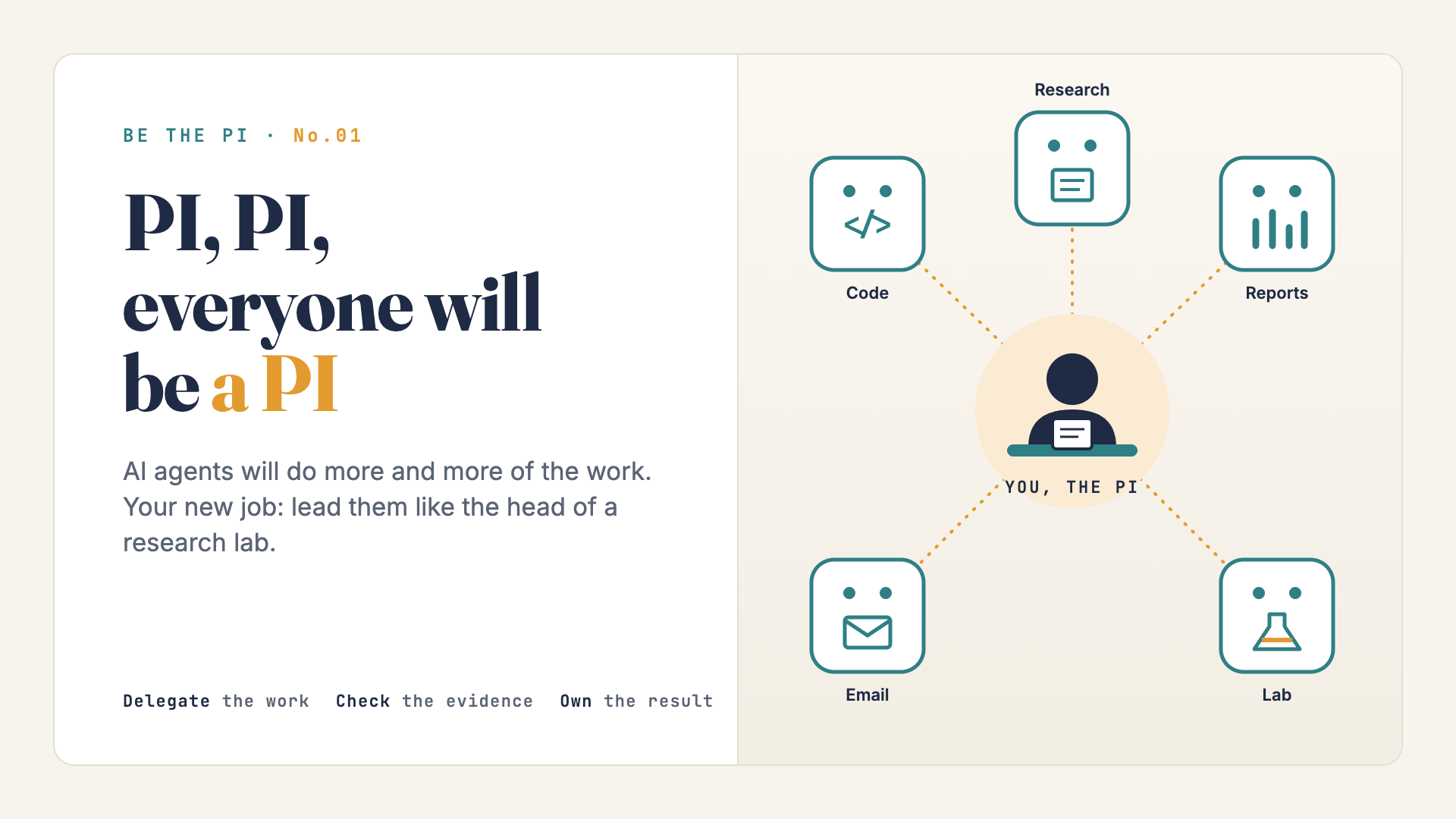
PI, PI, Everyone Will Be a PI
AI agents will do more and more of the work. Your new job: lead them like the head of a research lab.
The Four Layers, Part 1: What Recorded Measurements Really Record
In my first article in this series, I proposed four layers of the scientific record that AI models in biology learn from: recorded measurements, systematic datasets, processed results, and interpretations. Over the next…
What to Hand to AI in Your Research, and What to Keep
Where AI helps scientists today, what to keep for yourself, and how to start using it well. My last article looked at AI from the data side: what models learn from biology, and which layers of the scientific record…
What Is AI Really Learning About Biology?
A bench scientist who now works in AI looks past the headlines at four layers of scientific evidence. AI companies are moving deeper into the work of science. On November 11, 2026, Google DeepMind announced AlphaGenome…
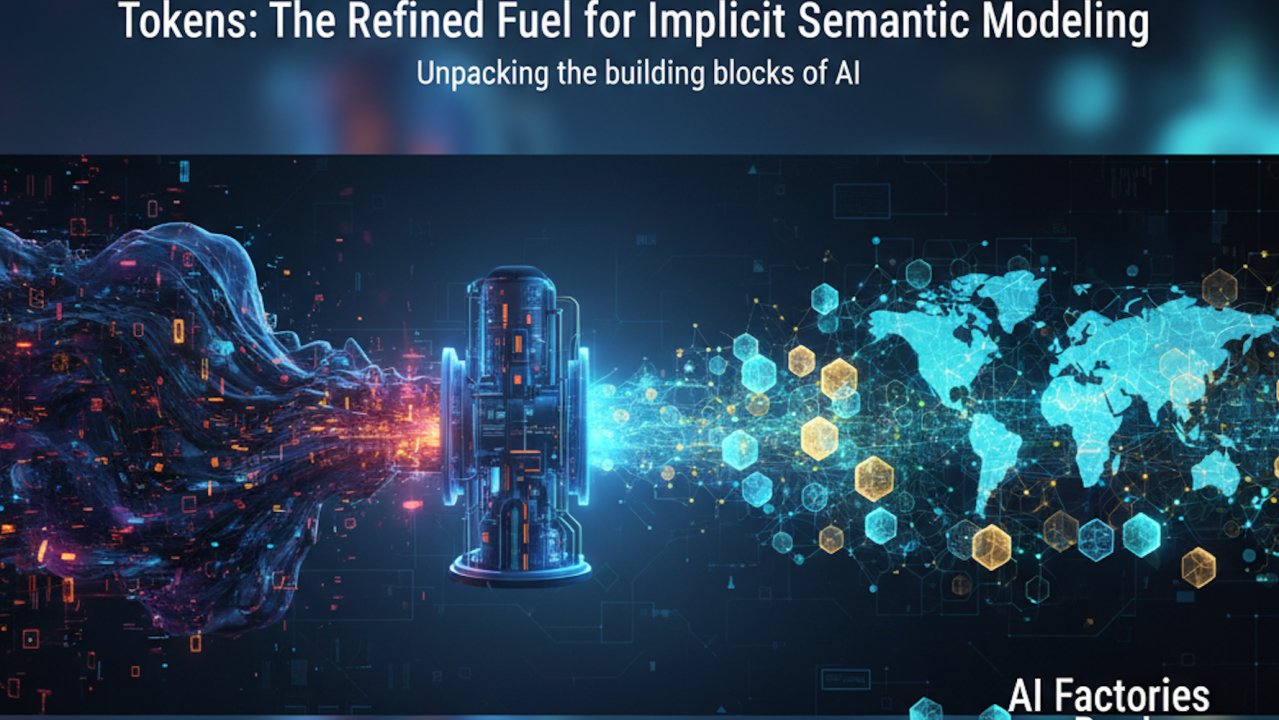
Tokens: The Refined Fuel of Meaning in AI
AI models don't read words. They read tokens. Why the way text is cut into tokens matters so much in specialized fields like biomedicine, and why people still have to guide it.
More articles: AI Biologist · AI & Science · Career Journey